
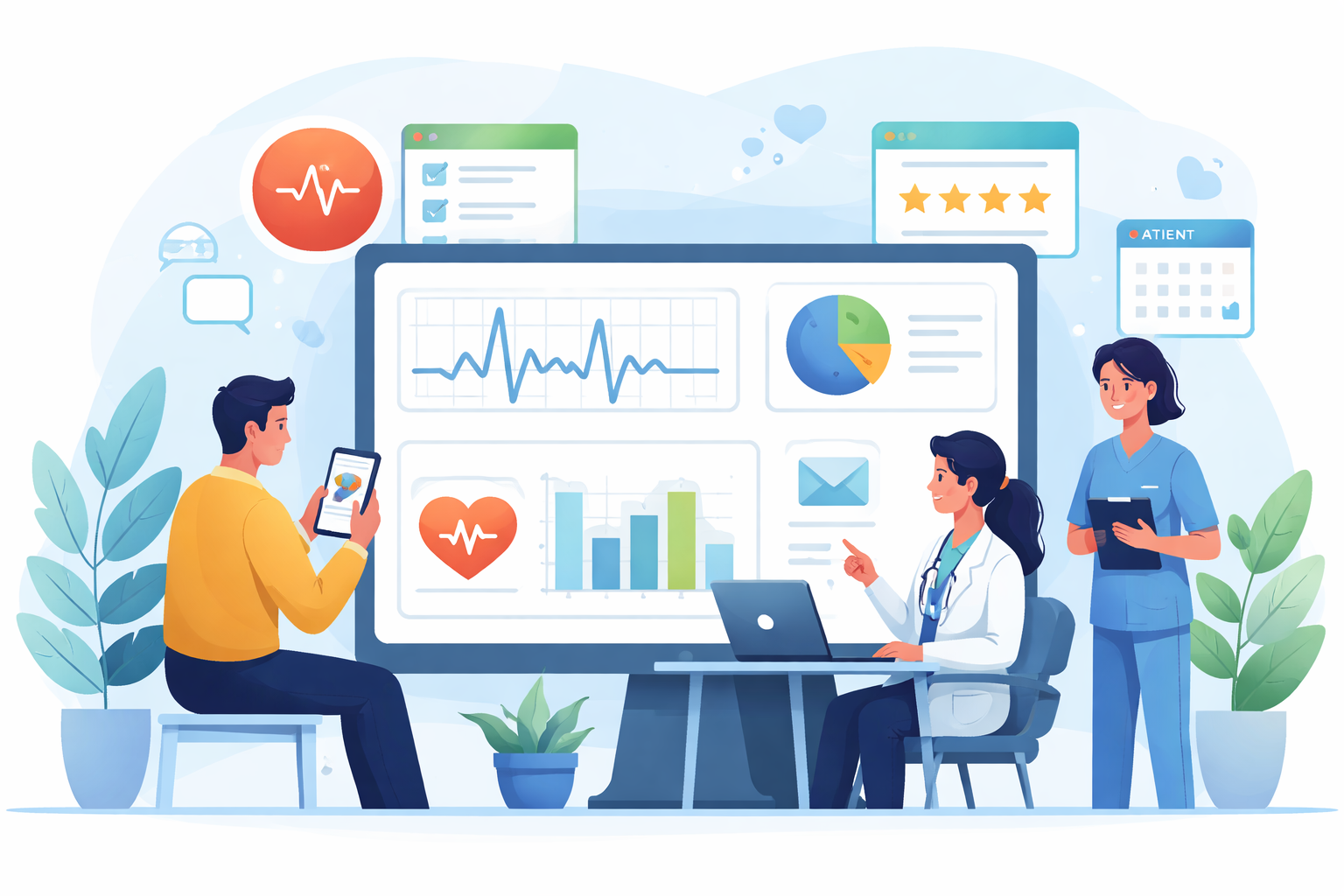
Healthcare organizations today are focusing more on patient engagement than ever before. Engaged patients are more likely to follow treatment plans, attend appointments, and maintain long-term relationships with healthcare providers.
For most healthcare professionals, there are a few priorities that are more important than improving patient outcomes. They also focus on creating a clear link between patient engagement and improved health.
Some patients are less likely to be hospitalized yet still benefit from improved care delivery and management, and are happier with their patient experience.
When it comes to chronic illness, engaged patients live longer than unengaged patients receiving similar treatment.
In this article, we will explore the most important patient engagement metrics, how they influence healthcare outcomes, and the patient engagement solutions that help providers deliver better experiences.
What Are Patient Engagement Metrics in Healthcare?
Patient engagement metrics are measurable indicators that help healthcare organizations understand how actively patients interact with their healthcare providers and services. These metrics provide valuable data about how patients communicate with clinics, follow treatment plans, schedule appointments, and use digital healthcare tools.
In modern healthcare, patient engagement goes beyond simply visiting a doctor. It includes how involved patients are in managing their health, responding to medical guidance, and maintaining ongoing communication with healthcare providers. By tracking specific engagement metrics, healthcare organizations can gain deeper insights into patient behavior and overall care effectiveness.
These metrics help providers understand patient behavior by showing patterns in how patients book appointments, respond to reminders, access patient portals, or seek medical assistance. For example, if a large number of patients frequently miss appointments, it may indicate scheduling challenges or insufficient reminders.
Patient engagement metrics also help identify communication gaps. If patients experience long wait times for responses or struggle to connect with the clinic, engagement levels may drop. Monitoring these indicators allows healthcare providers to improve communication channels and ensure patients receive timely support.
Another important benefit of tracking these metrics is improving care coordination. When healthcare teams understand how patients interact with their services, they can streamline processes such as appointment scheduling, follow-ups, and treatment tracking. This leads to better collaboration between providers and patients.
Key Patient Engagement Metrics Healthcare Providers Should Track
Tracking patient engagement metrics allows healthcare organizations to understand how patients interact with their services, communication channels, and treatment plans. These metrics provide valuable insights into patient behavior, satisfaction levels, and the effectiveness of healthcare delivery.
When healthcare providers monitor these indicators regularly, they can identify gaps in communication, improve operational efficiency, and enhance the overall patient experience. Below are some of the most important patient engagement metrics healthcare providers should track.
1. Appointment Adherence Rate
One of the most important patient engagement indicators is appointment adherence rate. This metric measures how often patients attend their scheduled medical appointments compared to the total number of appointments booked.
High appointment adherence usually reflects strong patient engagement and trust in the healthcare provider. Patients who consistently attend appointments are more likely to stay involved in their healthcare journey and follow medical recommendations.
On the other hand, frequent missed appointments or no-shows can create several challenges for healthcare providers, including disrupted schedules, lost revenue, and delays in patient care.
Common reasons for missed appointments include:
- Communication gaps between patients and clinics
- Scheduling conflicts or inconvenient appointment times
- Patients forgetting their appointments
- Difficulty reaching the clinic to confirm or reschedule visits
Healthcare organizations are increasingly adopting automated reminder systems, SMS notifications, and AI scheduling tools as effective patient engagement solutions. These technologies send timely reminders, allow patients to confirm or reschedule appointments easily, and significantly reduce missed visits.
Improving appointment adherence not only enhances patient engagement but also helps clinics operate more efficiently.
2. Patient Portal Usage
Patient portals have become a key component of modern digital healthcare. These platforms allow patients to conveniently access important health information and communicate with their healthcare providers.
Through patient portals, individuals can:
- Access their medical records
- Schedule or reschedule appointments
- View test results and prescriptions
- Request medication refills
- Communicate directly with healthcare providers
Tracking patient portal usage helps healthcare organizations understand how actively patients are engaging with digital healthcare tools. When patients frequently use these platforms, it indicates that they are taking a more active role in managing their health.
Higher portal engagement also improves communication transparency between providers and patients. Patients can quickly access information, ask questions, and receive updates without needing to visit the clinic in person.
If portal adoption rates are low, healthcare providers may need to improve the platform’s usability, educate patients about its benefits, or offer simple onboarding support to encourage usage.
3. Response Time to Patient Inquiries
Response time is another critical patient engagement metric that directly impacts patient satisfaction and trust. It measures how quickly healthcare providers respond to patient questions, appointment requests, or concerns.
In today’s digital healthcare environment, patients expect fast and reliable communication from their healthcare providers. Long response times can create frustration and reduce patient confidence in the healthcare system.
Patients often contact clinics for various reasons, such as:
- Booking or confirming appointments
- Asking about symptoms or treatment instructions
- Requesting prescription refills
- Seeking clarification about medical reports
Healthcare providers who respond promptly are more likely to build stronger relationships with patients and improve overall satisfaction levels.
To manage large volumes of patient inquiries efficiently, many healthcare organizations are now implementing AI communication platforms and automated patient support systems. These tools help clinics provide faster responses while reducing the burden on administrative staff.
4. Patient Satisfaction Scores
Patient satisfaction scores are an important indicator of how patients perceive their healthcare experience. These scores are typically collected through surveys, feedback forms, or online reviews after a medical visit.
Patient satisfaction surveys evaluate multiple aspects of healthcare services, including:
- Quality of communication with doctors and staff
- Wait times at clinics or hospitals
- Ease of scheduling appointments
- Staff friendliness and professionalism
- Overall patient care experience
High satisfaction scores usually indicate that healthcare providers are successfully implementing effective patient engagement strategies.
Monitoring these scores regularly helps healthcare organizations identify areas where improvements may be needed. For example, if patients consistently report long wait times or difficulty scheduling appointments, clinics can take steps to optimize scheduling systems and workflow processes.
Improving patient satisfaction not only enhances engagement but also strengthens the reputation of healthcare providers.
5. Treatment Plan Adherence
Treatment plan adherence measures how consistently patients follow the medical guidance provided by their healthcare providers. This may include taking prescribed medications, attending follow-up appointments, following dietary recommendations, or completing therapy sessions.
When patients actively follow their treatment plans, it demonstrates a higher level of engagement in managing their health. This leads to better medical outcomes and reduces the risk of complications or hospital readmissions.
However, many patients struggle with treatment adherence due to factors such as:
- Lack of understanding about their condition
- Forgetting medication schedules
- Limited communication with healthcare providers
- Difficulty accessing follow-up care
Healthcare providers can improve treatment adherence by offering educational resources, sending medication reminders, and maintaining regular communication with patients. Personalized support and follow-ups encourage patients to stay committed to their treatment plans.
6. Digital Communication Engagement
Digital communication engagement measures how actively patients interact with healthcare providers through digital communication channels.
With the rapid adoption of healthcare technology, many clinics now rely on digital tools to communicate with patients efficiently.
These communication channels may include:
- SMS appointment reminders
- Appointment confirmations and notifications
- Automated phone calls
- Chatbots and virtual assistants
- Email communication
Tracking engagement across these channels helps healthcare providers determine which communication methods are most effective for reaching patients.
For example, some patients may respond quickly to text messages, while others may prefer phone calls or email communication. Understanding these preferences allows healthcare organizations to tailor their communication strategies and improve overall engagement.
Patient Engagement Strategies That Improve These Metrics
Healthcare organizations can significantly improve patient engagement metrics by implementing well-planned engagement strategies. These strategies focus on improving communication, accessibility, and patient education.
- Personalized Communication
Personalized communication helps patients feel more valued and connected to their healthcare providers. Instead of generic messages, clinics can send customized reminders, follow-up instructions, or health updates based on individual patient needs.
This personalized approach increases patient responsiveness and strengthens the relationship between patients and healthcare providers.
- Omnichannel Communication
Different patients prefer different communication channels. Some patients prefer phone calls, while others prefer text messages, chat, or email communication.
Providing multiple communication options ensures that patients can easily connect with healthcare providers through their preferred channel, improving accessibility and engagement.
- Automated Appointment Management
Automated scheduling systems simplify the appointment booking process and reduce the administrative workload for clinic staff. These systems allow patients to book, confirm, or reschedule appointments easily without long wait times.
Automation also helps send reminders automatically, reducing the chances of missed appointments.
- Patient Education
Educating patients about their medical conditions, treatment plans, and preventive care encourages them to take a more active role in their health.
Healthcare providers can share educational resources such as articles, videos, or health guides to help patients better understand their health conditions and treatment options.
The Role of Technology in Modern Patient Engagement Solutions
Technology has become a critical driver of patient engagement in modern healthcare systems. Digital tools allow healthcare providers to streamline communication, automate administrative processes, and provide faster support to patients.
Modern patient engagement solutions often leverage technologies such as:
- Artificial intelligence (AI)
- automation tools
- digital communication platforms
- data analytics and patient insights
These technologies help healthcare providers manage patient interactions more efficiently while improving responsiveness, accessibility, and overall patient experience.
How Voiceoc AI Bot Enhances Patient Engagement?
Managing patient communication can be challenging for healthcare providers, especially when clinics receive a large number of calls and appointment requests daily.
AI solutions like Voiceoc AI Bot are designed to simplify and automate these communication processes.
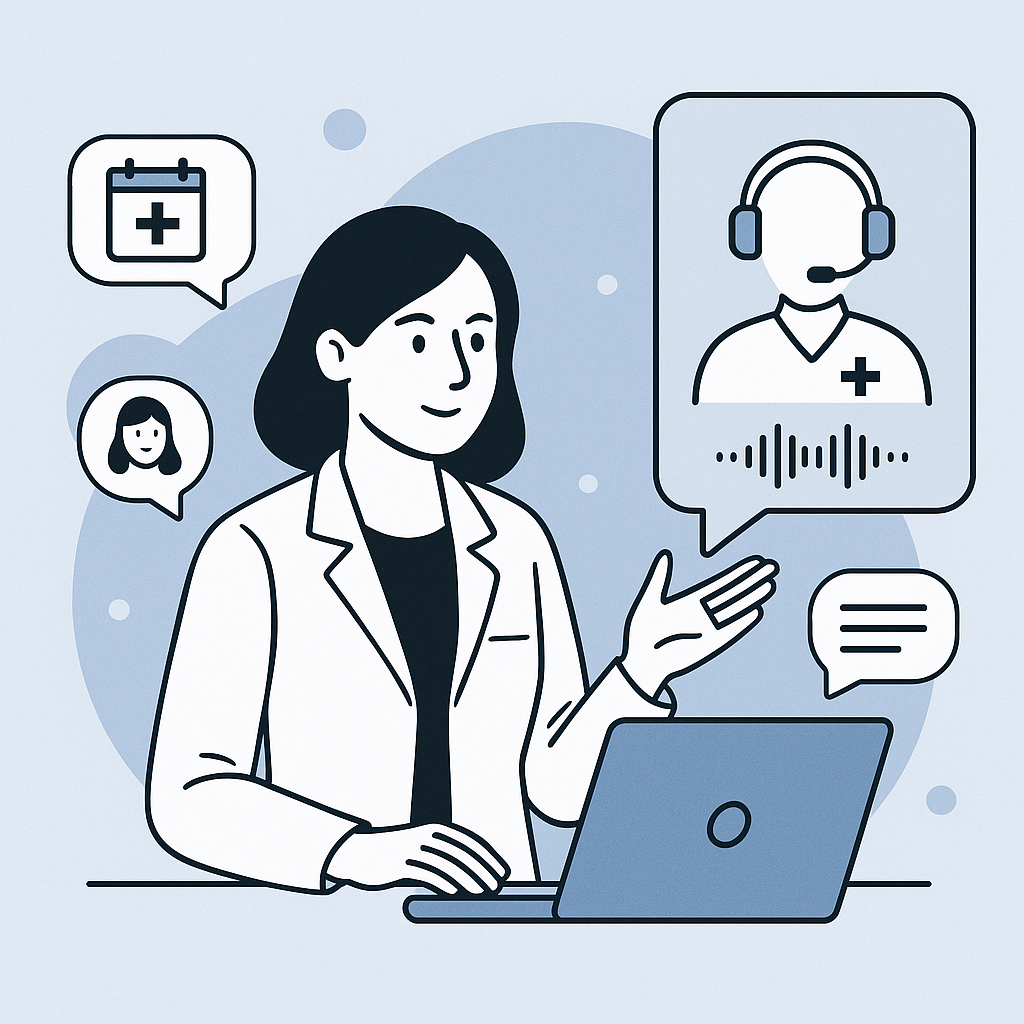
Voiceoc AI Bot helps healthcare organizations streamline patient interactions by handling routine communication tasks such as answering calls, scheduling appointments, and sending reminders.
With Voiceoc, healthcare providers can:
- Automatically answer and manage patient calls
- Schedule, confirm, and manage appointments
- Send automated reminders to reduce missed visits
- Respond instantly to common patient inquiries
- Provide 24/7 communication support to patients
By automating front-desk communication, Voiceoc helps clinics improve several key patient engagement metrics, including appointment adherence, faster response times, and higher patient satisfaction.
As healthcare providers continue to focus on improving patient experience, AI-powered platforms like Voiceoc are becoming essential patient engagement solutions that enhance operational efficiency while strengthening patient relationships.
Future of Patient Engagement in Healthcare
The future of healthcare will increasingly rely on technology and patient engagement. As healthcare systems continue to evolve, organizations are adopting more advanced tools that help them better understand and interact with patients.
Healthcare providers are moving toward innovations such as:
- AI-powered communication systems
- predictive patient engagement analytics
- personalized healthcare experiences
- remote patient monitoring solutions
These advancements will allow healthcare providers to proactively engage with patients, anticipate their needs, and deliver more personalized care.
Conclusion
Tracking the right patient engagement metrics is essential for healthcare organizations that aim to deliver high-quality patient experiences and improve healthcare outcomes.
By monitoring indicators such as appointment adherence, patient satisfaction, response times, digital engagement, and treatment plan adherence, healthcare providers can gain valuable insights into patient behavior and identify opportunities for improvement.
Implementing effective patient engagement strategies and adopting advanced patient engagement solutions, including AI-powered communication platforms like Voiceoc, can significantly enhance patient relationships and streamline healthcare operations.
As the healthcare industry continues to evolve, organizations that prioritize patient engagement will be better positioned to deliver efficient, patient-centered care while improving long-term patient outcomes.

.webp)


